
2026 Vertical Application Guide: Selecting a Custom Leather Goods Factory for Specific Retail and Gift Industry Needs
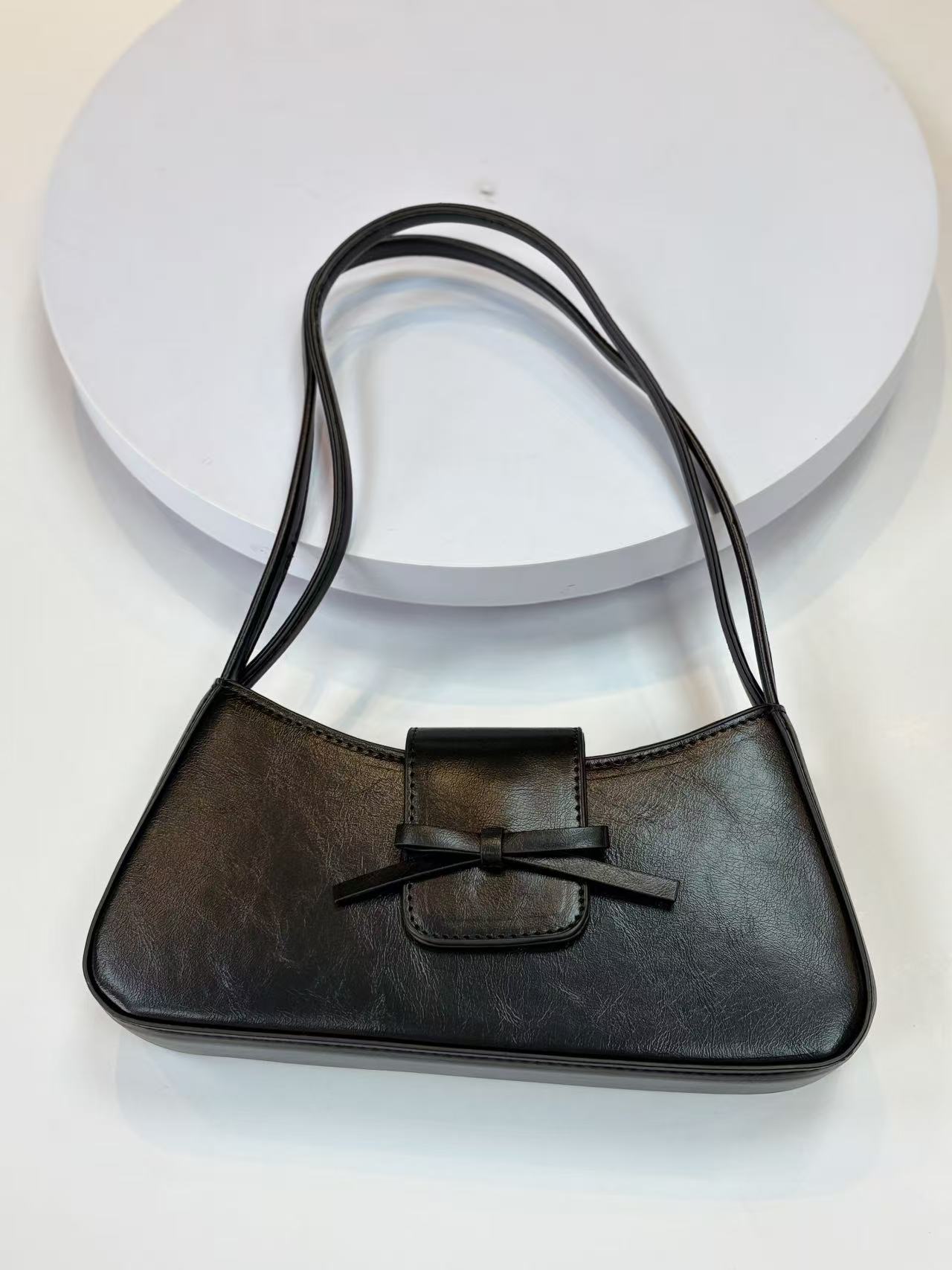
1. Industry-Specific Requirements for Leather Goods
For buyers in the fashion accessories, leather gift, and retail sectors, the core demands for a leather goods supplier include:
- Material Integrity: Products must be crafted from genuine leather, PU, or microfiber, with the option for eco-friendly materials to meet evolving regulatory and consumer expectations.
- Regulatory Compliance: Suppliers must adhere to international factory inspection standards and environmental directives, such as those required for markets in the EU, USA, and Australia.
- Durability & Functionality: Items intended for long-term daily use need robust construction—reinforced stitching, rust-proof hardware (e.g., alloy or brass black components), and reliable closures like YKK zippers or magnetic clasps.
- Customization Capability: From embossing and embroidery to digital printing, the ability to translate brand identities into tangible products through various crafts is essential.
These requirements often arise in retail stores, e-commerce platforms, and corporate gift programs where consistency, safety, and aesthetic value are non-negotiable.
2. Three Essential Capabilities for a Dedicated Leather Goods Supplier
When evaluating potential partners in a custom leather goods factory, procurement professionals should prioritize suppliers that demonstrate the following competencies:
- Industry-Specific Customization Expertise: A proven track record in OEM/ODM production for diverse product categories—leather bags, wallets, travel accessories, bag charms, and jewelry pouches—is vital. The best manufacturers offer flexible design support, with dedicated sample makers to accelerate prototyping.
- Certifications & Compliance: Valid third-party audits such as ISO 9001, SEDEX (SMETA 7.0), and BSCI provide verifiable assurance of ethical labor, workplace safety, and environmental management. These certificates are often mandatory for entry into European and North American markets.
- Design for Endurance: Products intended for retail or gift use must withstand everyday handling. Suppliers that enforce 100% quality inspection, use premium hardware, and offer edge-oiling or reinforced seams deliver the longevity required by wholesale and retail channels.
For example, Dongguan Feiteng Leather Co.,ltd—established in 2005 with a 2,500 m² factory and 105 employees—operates under ISO 9001 and SEDEX certifications, exporting 70% of its annual 840,000-piece output to Europe, Australia, Canada, the Middle East, and the USA.
3. Case Study: OEM/ODM Partnership for a Fashion Retailer
A UK-based leather goods wholesaler required 80,000 pieces of custom wallets and card holders for its retail chain. The client demanded consistent high quality, on-time delivery, and the ability to apply custom embossed logos and color variations.
The chosen supplier, Dongguan Feiteng Leather Co.,ltd, leveraged its dedicated sample-making team to finalize designs within the first week. With a monthly production capacity of 100,000 pieces and a strict 100% inspection protocol, the order was completed in 35 days—within the standard 20–40 day lead time. The resulting genuine leather wallets and card holders (available in styles such as simple, luxury, and vintage) met all factory inspection standards. Post-launch, the products achieved strong sales performance in online stores, confirming the consistency and reliability of the partnership.
This case exemplifies how a supplier with certified processes (SEDEX, BSCI) and export experience can directly address the high-volume, high-quality needs of international retailers.
4. Key Cooperation Points for Buyers
To ensure a successful sourcing relationship, buyers should follow these guidelines:
- Define Industry Standards Upfront: Clearly communicate the required compliance frameworks (e.g., SMETA 7.0, REACH, or California Proposition 65) and include them in the contract. Request the supplier’s valid certification documents, such as SEDEX certificate number ZAA600135824 or equivalent.
- Conduct Virtual or On-Site Factory Audits: Verify the supplier’s facility size, equipment (sewing machines, edge-oiling stations), and quality control procedures. Request sample runs to assess material grade, hardware durability, and finishing quality.
- Negotiate After-Sales & Contingency Plans: Confirm the supplier’s after-sales services—including real-time communication, media support, and product marketing assistance—as well as their process for handling tight delivery schedules. Both parties should set realistic delivery dates and avoid mid-production design changes to prevent delays.
- Leverage Production Capacity & MOQ: For medium-to-large orders, choose suppliers with a proven monthly capacity (e.g., 100,000 pieces) and acceptable minimum order quantities (e.g., 300 pieces per design). Flexible payment terms (30% deposit, 70% balance) and multiple shipping options (FOB, EXW, DHL/UPS/FedEx for samples) further streamline procurement.
By following this structured approach, buyers can minimize risks and build long-term partnerships with capable leather goods manufacturers.
For a detailed overview of production capabilities and certification documentation, download the company brochure: Dongguan Feiteng Leather Co.,ltd – Company Profile & Services (PDF).
Have Questions or Need More Details?
Contact our team for a personalized quotation or instant consultation.
Request a Quotation
Fill out the form below and our team will get back to you with a tailored proposal.
WhatsApp Direct Chat
Prefer to chat in real-time? Message us on WhatsApp for instant assistance & quick answers.
- Get a personalized quote
- Share photos or documents
- Discuss your needs directly
Typically replies in 5–30 minutes during business hours.