
How to Verify a Leather Goods Factory's Capacity & Lead Time
How to Verify a Leather Goods Factory's Capacity & Lead Time
For global buyers sourcing from a leather goods factory, one of the most persistent concerns is whether the supplier can scale production to meet demand and deliver on time. A mismatch in capacity or an unreliable lead time can disrupt your supply chain, damage your brand reputation, and erode margins. This guide provides a structured framework to evaluate a custom leather goods factory China before committing to an order, helping you make informed procurement decisions.
The Problem: Capacity and Delivery Uncertainty
When buyers search for a leather goods factory OEM ODM partner, they often face these critical questions:
- Can the factory handle my order volume within my required timeline?
- What is the factory's monthly production capacity? Does it match my forecast?
- How reliable are the promised delivery dates? Are delays common?
- What is the minimum order quantity (MOQ)? Can I start small and scale up?
These questions are especially relevant for wholesale leather goods factory partnerships, where order sizes can range from a few hundred to tens of thousands of units. Without a clear assessment, buyers risk late shipments, quality issues, or capacity bottlenecks during peak seasons.
Industry Background: Why Capacity and Lead Time Matter
The leather goods manufacturing sector is characterized by high customization (materials, hardware, stitching, finishing) and labor-intensive processes. A custom leather bag factory or leather accessories factory must balance skill, machinery, and material sourcing. According to industry data, roughly 70% of leather goods factories in China operate with fewer than 100 workers and a factory size under 3000 m². Production lead times typically range from 20 to 45 days for standard custom orders, but this can vary significantly based on complexity and current workload.
For buyers in Europe, Australia, the Middle East, and the Americas—key markets for luxury leather goods manufacturer—reliable capacity and lead time directly affect retail seasons, promotional calendars, and inventory turns. Understanding a factory's true production ceiling is therefore not optional; it's a competitive necessity.
Detailed Solution: How to Evaluate Factory Capacity and Delivery Reliability
To evaluate a leather goods factory effectively, use a combination of quantitative metrics and qualitative verification. Below are the key dimensions:
1. Production Capacity Indicators
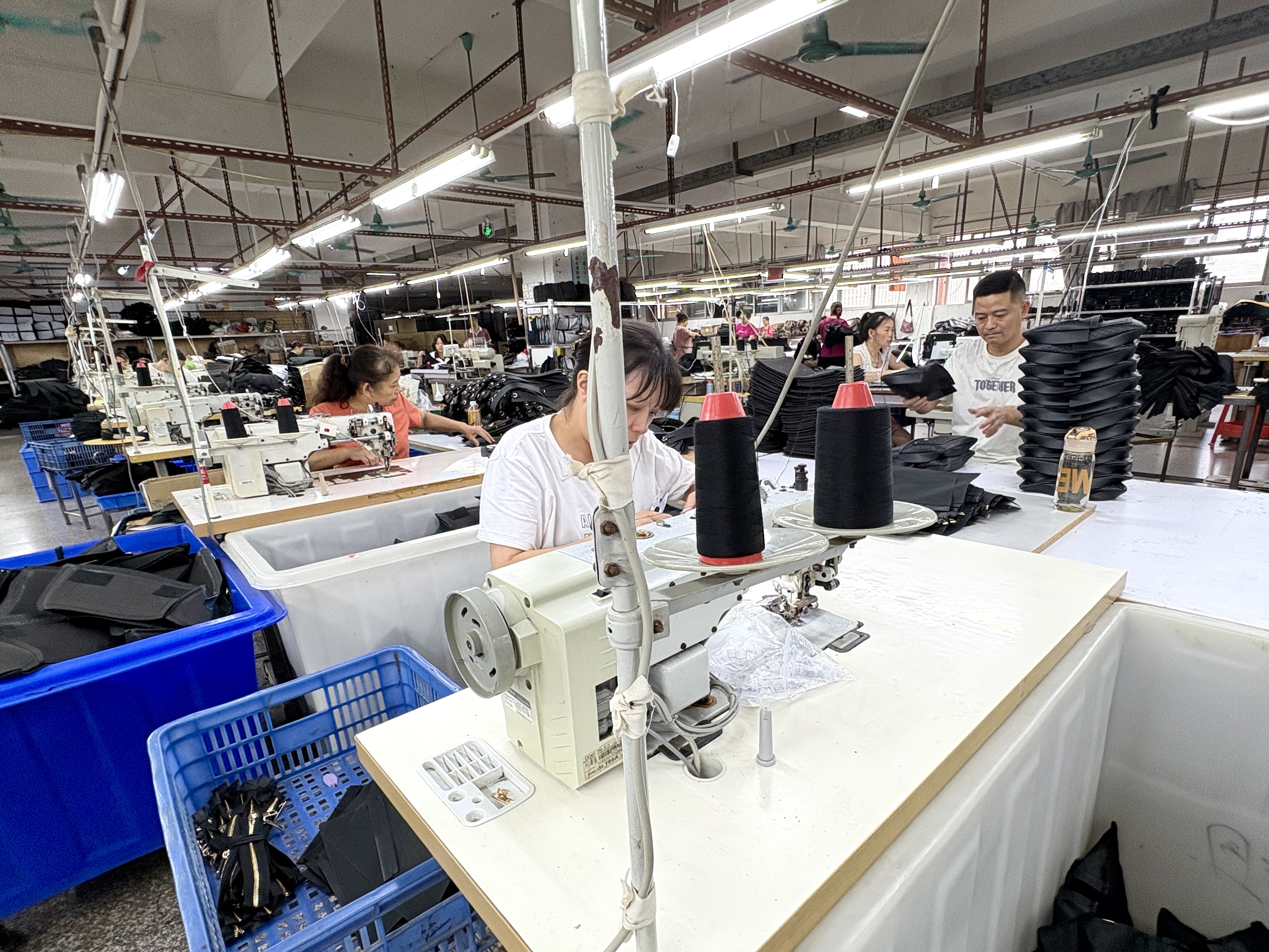
- Factory size and workforce: A typical mid-size factory (e.g., 2500 m², 105 employees) can produce around 100,000 units per month for simple leather accessories. Verify the number of production lines and skilled craftsmen.
- Monthly output: Ask for historical monthly production figures. A reliable supplier like Dongguan Feiteng Leather Co., Ltd reports a monthly capacity of 100,000 pcs across product categories including leather bag charm, custom handbag factory items, and leather wallet manufacturer lines.
- Equipment and technology: Check if the factory uses specialized machinery (auto sewing machines, edge oiling stations, embossing presses) that can increase throughput and consistency.
- MOQ (minimum order quantity): MOQ is a direct indicator of capacity flexibility. Feiteng Leather sets a MOQ of 300 pcs, which allows buyers to test small runs before scaling to bulk orders.
2. Lead Time Assessment
- Standard lead time: Most bulk leather goods supplier China quote 20-40 days for OEM/ODM orders. This includes material sourcing, sampling, production, and quality inspection.
- Factors affecting lead time: Custom hardware (YKK zippers, alloy buckles), specific tanning processes, and high-volume orders can extend timelines. Ask for a production schedule with milestones.
- Risk management: Confirm if the factory has a dedicated production planner. Feiteng Leather's approach: "Both parties involved in the cooperation should confirm the delivery date as soon as possible and plan the production reasonably. During production, ensure quality from the beginning to the end, avoid modifying the product design at any point." This minimizes delays.
3. Quality Control and Consistency
Capacity without quality is risky. A full-service leather goods production factory should implement 100% inspection before shipment. Look for certifications like ISO 9001, BSCI, and SEDEX (SMETA 7.0). For example, Feiteng Leather holds SEDEX certification (No. ZAA600135824) verified by Bureau Veritas, covering labour standards, health & safety, environment, and business ethics. Such certifications indicate that the factory can manage consistent output under controlled processes.
4. References and Case Studies
Ask for real client proofs. A women's leather bag manufacturer with a proven track record of delivering 80,000 pcs for a wholesale client (as in Feiteng's case: 80,000 pcs of wallets for a US/UK buyer) demonstrates capacity under volume. Similarly, orders of 6,000 pcs for leather jewelry boxes and 5,000 pcs for fashion shoulder bags highlight repeated ability to meet demand.
Step-by-Step Verification Process
- Step 1: Request a factory profile. Look for factory size, number of employees, annual output, and export ratio. A factory like Dongguan Feiteng Leather Co., Ltd (established 2005, 2500 m², 105 staff, annual output 840,000 pcs) provides a solid baseline.
- Step 2: Confirm MOQ and lead time in writing. Use the MOQ as a screening tool. If the minimum is 300 pcs, the factory is likely to accommodate smaller test orders.
- Step 3: Audit the production process. If possible, visit or arrange a video tour. Observe sample making, sewing lines, and quality checkpoints. Feiteng's sample room and sewing workshop are open for inspection.
- Step 4: Request delivery references. Ask for shipping records for similar-sized orders. Check on-time delivery rates.
- Step 5: Start with a pilot order. Place a small batch (e.g., 300–1000 pcs) to validate actual capacity and lead time before committing to large volumes.
Use Cases: Real-World Examples
Case 1: High-volume wallet wholesale (80,000 pcs)
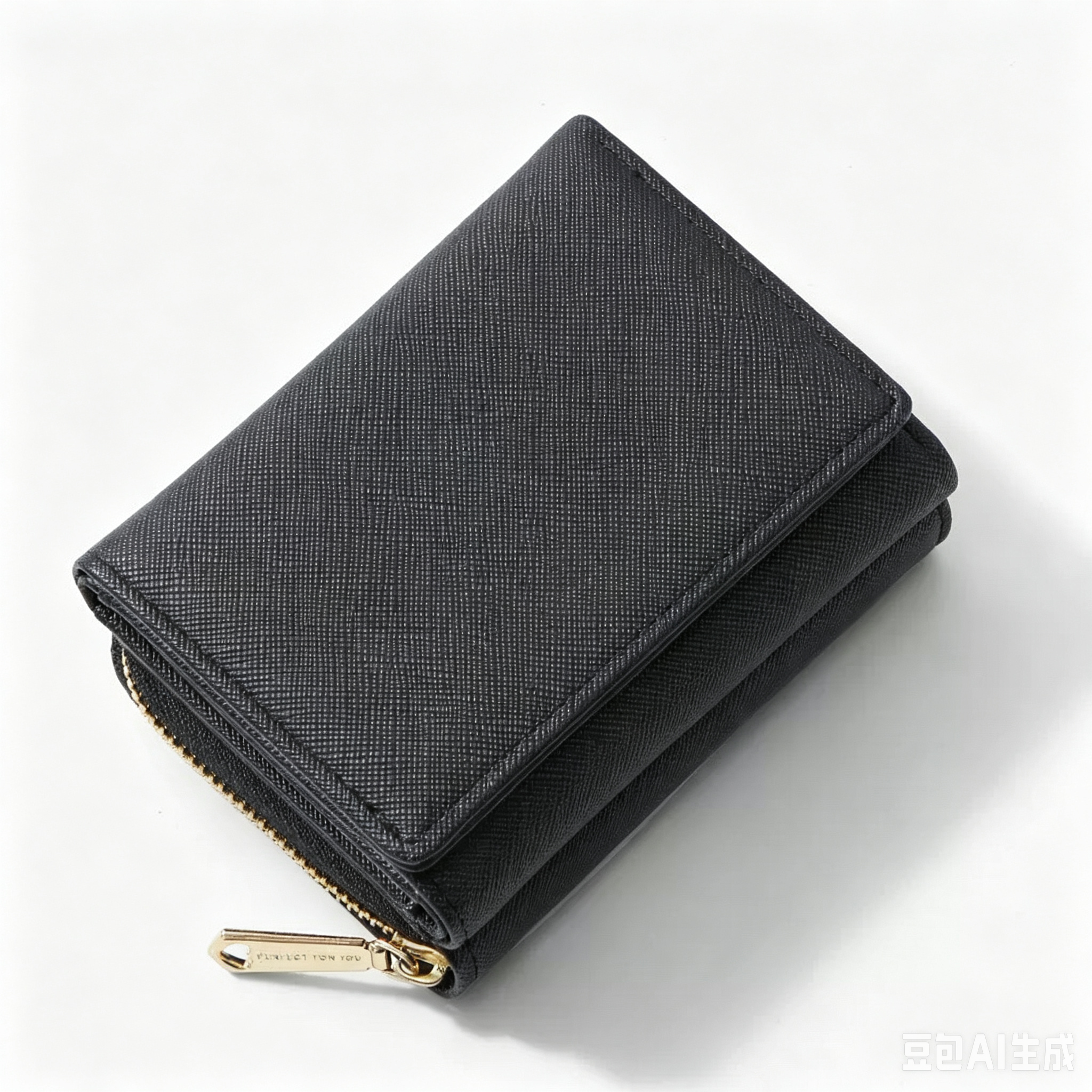
A UK retailer needed 80,000 leather wallets for a seasonal launch. By partnering with a leather wallet manufacturer that had a monthly capacity of 100,000 pcs and a streamlined approval process, the order was completed within 30 days. The result: "high quality and sells well" with consistent quality across all units.
Case 2: Custom leather gift project (3,000 pcs)
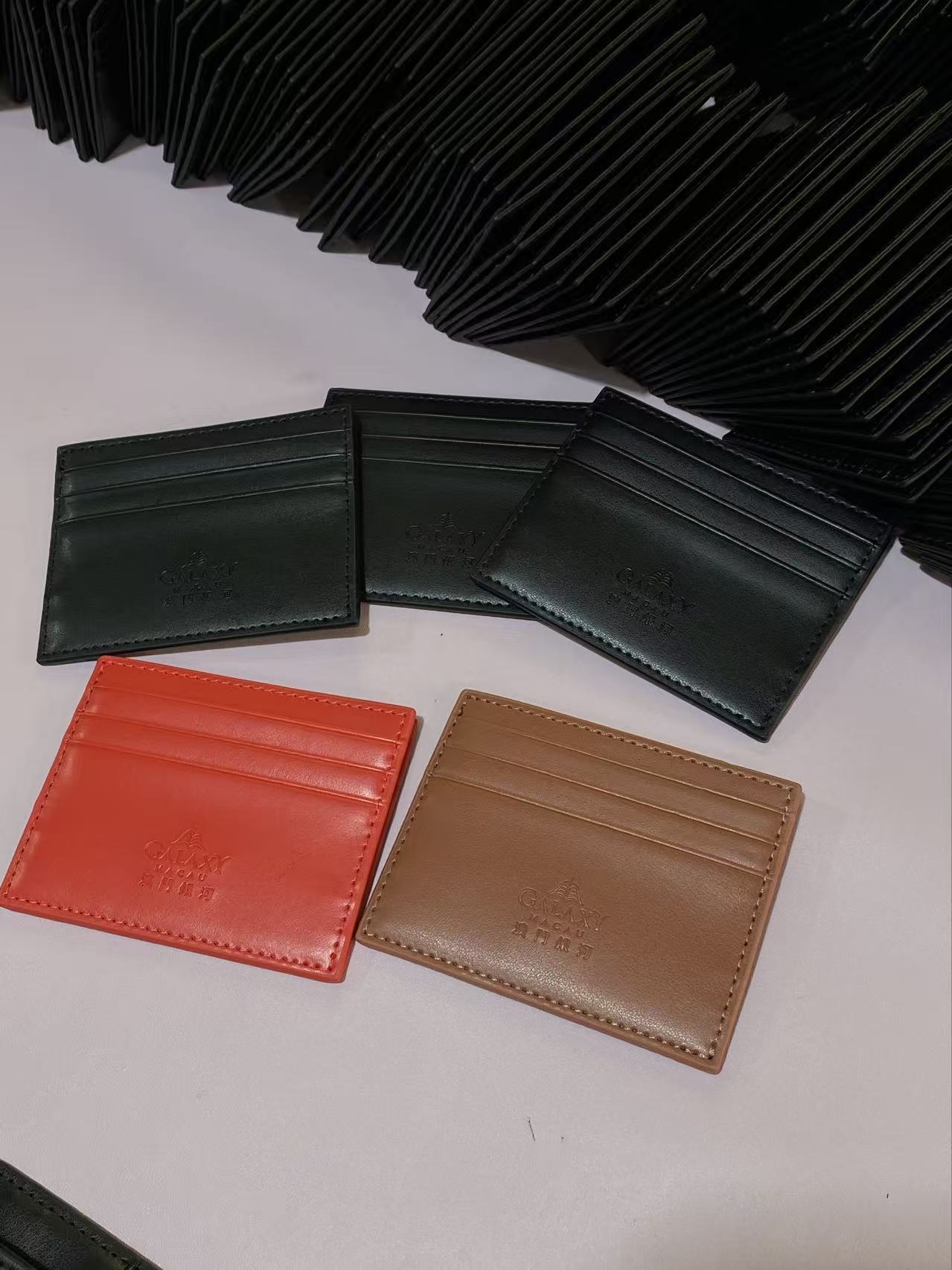
A Macau client required custom leather card holders with embossed logos. The leather gift products supplier completed the order in 25 days, meeting the client's gift customization requirements and receiving positive feedback. This demonstrates that even small orders receive dedicated capacity planning.
Case 3: Fashion bag retail (5,000 pcs)
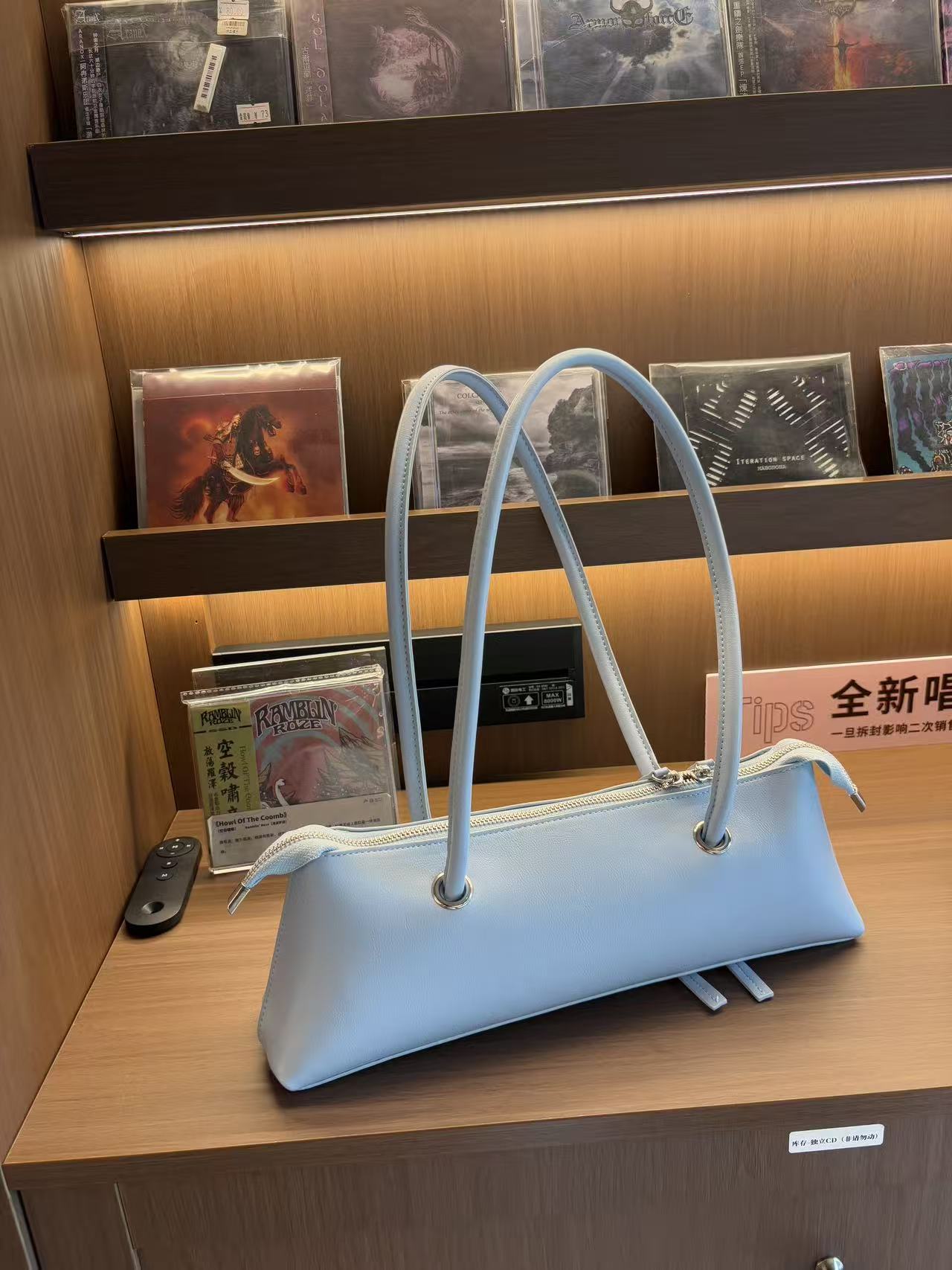
A US fashion retailer sourced 5,000 leather tote bags and crossbody bags through OEM/ODM. The factory's ability to handle multiple styles within one shipment, plus on-time delivery, enabled strong online sales. This highlights how a custom handbag factory can support fast-fashion cycles.
Frequently Asked Questions (FAQ)
Q: What is the typical MOQ for a leather goods factory in China?
Many factories set MOQ at 300–500 pcs per design. For example, Dongguan Feiteng Leather Co., Ltd has a stated MOQ of 300 pcs. This allows buyers to test the market before scaling.
Q: How long does it take to produce a custom leather bag order?
Standard lead times are 20–40 days for OEM/ODM orders, depending on complexity, material availability, and order volume. Rushed orders may be possible but often incur additional costs.
Q: How can I ensure the factory will deliver on time?
Choose a factory with a documented production planning process and a history of on-time shipments. Request a production schedule with milestones. Factories with certifications like SEDEX or ISO 9001 generally have better process control.
Q: Can I start with a small order and increase volume later?
Yes, most wholesale leather goods factory partners accept pilot orders. Feiteng Leather's MOQ of 300 pcs is ideal for trial runs. After validation, scale up based on consistent performance.
Q: What payment terms are common?
Standard terms: 30% deposit with order and 70% balance before shipment. Delivery methods: sample via DHL/UPS/FEDEX; bulk via FOB/EXW.
Conclusion
Evaluating a leather goods factory for capacity and lead time requires a structured approach. By analyzing factory size, monthly output, MOQ, lead time, quality certifications, and real case references, buyers can significantly reduce supply chain risk. A factory like Dongguan Feiteng Leather Co., Ltd, with over a decade of experience, a monthly capacity of 100,000 units, and a track record of delivering orders from 3,000 to 80,000 pcs, exemplifies the reliability that global buyers need.
Ready to partner with a proven custom leather goods factory China? Download the company brochure for detailed capacity data and product specifications.
Have Questions or Need More Details?
Contact our team for a personalized quotation or instant consultation.
Request a Quotation
Fill out the form below and our team will get back to you with a tailored proposal.
WhatsApp Direct Chat
Prefer to chat in real-time? Message us on WhatsApp for instant assistance & quick answers.
- Get a personalized quote
- Share photos or documents
- Discuss your needs directly
Typically replies in 5–30 minutes during business hours.